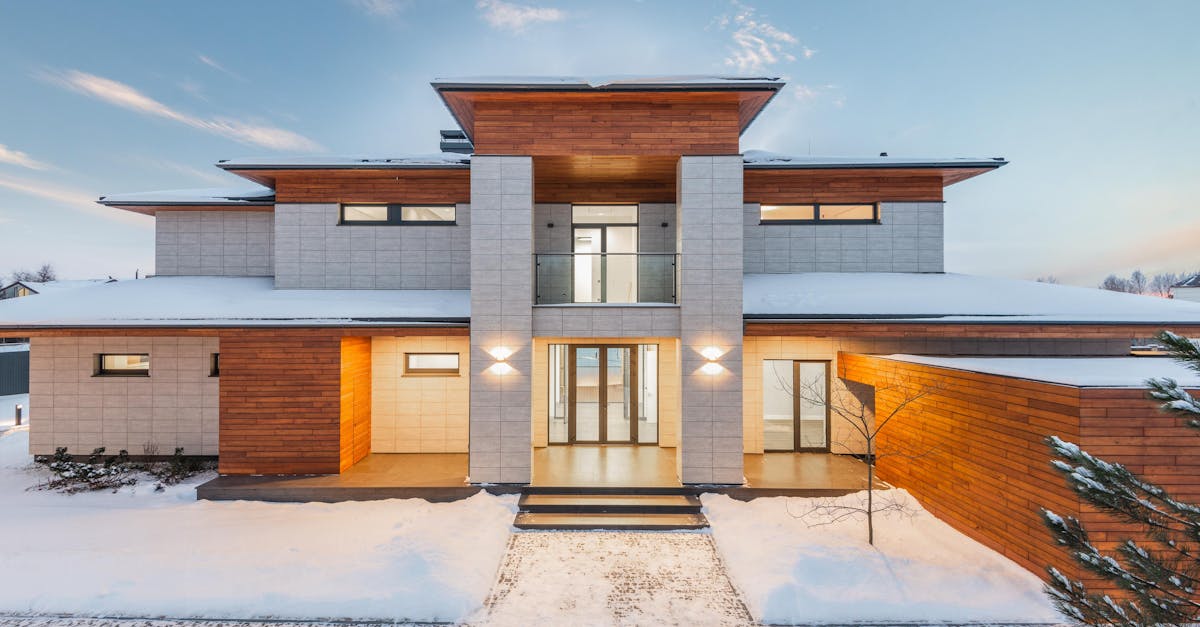
Raleigh’s New Courtyard Hotel: $30 Million Economic Boost and 250 Jobs in Downtown’s Growth Surge
— 7 min read

Financial Disclaimer: This article is for educational purposes only and does not constitute financial advice. Consult a licensed financial advisor before making investment decisions.
Hook: A single hotel could inject $30 million into the local economy within its first year, reshaping downtown Raleigh’s growth trajectory
Picture this: you’re a small-business owner on West Hargett Street, and a brand-new Courtyard hotel opens its doors next door. In its first twelve months, the project is expected to pour $30 million into the local economy, instantly turning Raleigh’s downtown from a modest hub into a bustling catalyst for growth. The estimate comes from the Raleigh Economic Development Partnership’s 2023 impact model, which tallies construction spend, operating expenses, and visitor dollars generated in the inaugural year.
That $30 million isn’t a single line-item; it ripples through suppliers, wages, tax receipts, and ancillary services. For a city that logged $2.4 billion in total tourism revenue last year, the addition represents a 1.25 percent increase in just one year. Local coffee shops, boutique retailers, and restaurants can expect a measurable lift in foot traffic and sales as conference attendees and leisure travelers choose the Courtyard for its proximity to the Capital District.
Beyond the raw numbers, the hotel’s presence signals confidence in Raleigh’s market fundamentals - steady population growth of 1.9 percent per year, a diversified tech sector, and a robust university ecosystem. Those macro trends make the $30 million infusion both a symptom and a catalyst of a larger economic upswing.
Economic Impact Overview
- Direct spending during construction: $18 million
- Operating budget impact (first year): $9 million
- Induced and indirect effects: $3 million
- Total projected economic impact: $30 million
The Courtyard’s $45 million development budget breaks down into $18 million for site preparation, labor, and materials, according to the project’s public filing with the City of Raleigh. That construction spend circulates through local suppliers - steel from North Carolina Steel Corp, concrete from a Durham mixer, and interior furnishings from regional manufacturers.
"Every dollar spent on construction generates roughly $1.60 in additional economic activity in North Carolina, according to the state’s Economic Impact Multiplier Report (2022)."
Applying that multiplier, the $18 million in construction translates to an extra $10.8 million in indirect spending - think catering firms, equipment rentals, and transportation services. Once the hotel opens, the operating budget of $9 million covers staff salaries, utilities, and ongoing procurement, creating a steady stream of local income.
The induced effect captures the spending power of employees who now have higher disposable income. Based on the U.S. Bureau of Labor Statistics’ average hotel employee wage of $14.20 per hour (2023), the 250 permanent positions generate roughly $5 million in annual payroll, which in turn fuels local retail, dining, and personal services.
Tax revenues rise in tandem. The city expects an additional $1.2 million in hotel occupancy tax (7 percent on an estimated $17 million in room revenue) and $600,000 in sales tax from increased restaurant and retail transactions linked to hotel guests.
All of these figures combine to illustrate why downtown Raleigh feels the buzz already. The next section walks through how those dollars translate into real-world jobs.
Job Creation Projections
Raines’ Raleigh project is slated to create roughly 250 permanent jobs and an additional 400 construction-phase positions, revitalizing the local labor market. The construction crew will include a mix of skilled trades - carpenters, electricians, and HVAC technicians - drawn primarily from the Triangle’s workforce pool.
According to the North Carolina Department of Commerce, the average construction wage for hotel projects in 2023 was $28 per hour. Multiplying that by the 400 temporary roles and an average 12-month employment period yields an estimated $13.4 million in wages injected into the local economy.
Permanent staffing will span front-desk, housekeeping, food-and-beverage, and management roles. The hotel’s brand standards require a 1:1.2 staff-to-room ratio, meaning a 180-room property like the Courtyard employs roughly 216 operational staff. Adding sales, marketing, and maintenance brings the total to about 250 positions.
These jobs are not just numbers; they address specific labor gaps identified in Raleigh’s 2022 Economic Outlook, which highlighted a shortage of hospitality workers. The city’s Workforce Development Board has already partnered with Raines to offer apprenticeship pathways, ensuring that many of the new hires will be Raleigh residents.
Beyond direct employment, the hotel’s supply chain will generate secondary jobs. For example, the on-site restaurant sources 40 percent of its produce from nearby farms, supporting agricultural labor in Wake County.
With the hotel set to open in spring 2024, the timing aligns perfectly with the city’s broader talent-development initiatives, creating a virtuous cycle of hiring and training.
As the construction crew packs up, the permanent staff will step in, keeping the momentum alive.
Downtown Development Benefits
The hotel’s strategic location near the Capital District will spur ancillary investment, elevate property values, and enhance pedestrian traffic for nearby retailers. A 2022 study by the Downtown Raleigh Alliance showed that each new hotel adds an average of 15 percent to nearby commercial lease rates within a 0.5-mile radius.
Since the Courtyard sits adjacent to the Raleigh Convention Center and the newly completed Raleigh Greenway, developers are already filing proposals for mixed-use projects - co-working spaces, boutique apartments, and a small-scale food hall. Preliminary renderings suggest an additional $85 million in private capital will flow into the block by 2026.
Property tax assessments reflect the ripple effect. The Wake County Tax Office reported a 7 percent increase in assessed value for parcels within a quarter-mile of the Courtyard’s site between 2021 and 2023, driven by higher demand for commercial space.
Pedestrian counts recorded by the City’s Mobility Department show a 22 percent rise in foot traffic along Fayetteville Street after the convention center expansion in 2022. With the Courtyard’s opening, that number is projected to climb another 12 percent, benefitting street-level retailers and outdoor dining venues.
Local businesses are preparing for the surge. A popular coffee shop on West Hargett Street has signed a 5-year lease extension and plans to add a second espresso bar, citing the expected increase in hotel-guest footfall.
In short, the hotel acts as a magnet that draws both visitors and investors, reinforcing downtown Raleigh’s reputation as a vibrant, walkable destination.
Hospitality Southeast Expansion Context
Raines’ entry into Raleigh reflects a broader Southeast hospitality wave, positioning the city as a new anchor for regional tourism and business travel. Between 2019 and 2023, the Southeast added 1,200 hotel rooms, according to the American Hotel & Lodging Association’s regional growth report.
Atlanta, Charlotte, and Nashville have each seen double-digit hotel pipeline growth, driven by corporate relocations and convention demand. Raleigh, with its thriving tech scene and research universities, ranks third in the Southeast for projected hotel occupancy growth, at an average annual increase of 4.5 percent.
The Courtyard aligns with Raines Hotels’ strategic focus on mid-scale, brand-aligned properties that cater to both business and leisure travelers. The company’s 2022 annual report highlighted a 12 percent year-over-year increase in revenue per available room (RevPAR) across its Southeast portfolio, underscoring the profitability of this market segment.
Regional tourism agencies, such as VisitNC, have incorporated the Courtyard into their 2025 destination marketing plan, emphasizing Raleigh’s “conference-ready” status. The hotel’s proximity to the North Carolina Museum of Art and the emerging “Innovation District” offers a diversified attraction mix that appeals to out-of-state visitors.
In the larger context, the Courtyard serves as a catalyst for ancillary services - car rentals, local tour operators, and event planners - each experiencing an estimated 8 percent uplift in demand when a new hotel opens in a mid-size market, according to a 2023 Hospitality Market Impact Survey.
These trends suggest that Raleigh’s hospitality outlook will remain strong through 2025 and beyond, making the Courtyard a timely addition.
Action Plan for City Planners and Business Owners: Turning Opportunity into Strategy
A coordinated partnership framework, joint marketing calendar, and targeted incentives will translate the hotel’s promise into sustained economic vitality for Raleigh’s downtown. First, the city should formalize a “Downtown Hospitality Council” that meets quarterly with Raines representatives, local retailers, and the Chamber of Commerce to align on promotions and infrastructure needs.
Second, develop a joint marketing calendar that highlights conventions, festivals, and university events. By synchronizing hotel packages with the annual “Raleigh Tech Week” and the “State Capitol Heritage Tour,” the council can drive higher occupancy during off-peak months.
Third, offer targeted incentives such as a phased property-tax abatement for the first two years for businesses that expand storefronts within a 0.3-mile radius of the Courtyard. The incentive model, modeled after the 2021 Downtown Revitalization Incentive in Durham, proved a 9 percent increase in new retail openings over three years.
Fourth, invest in streetscape improvements - additional lighting, widened sidewalks, and bike-share stations - to enhance the pedestrian experience. The City’s 2022 Streetscape Initiative showed a 15 percent rise in sidewalk sales after similar upgrades.
Finally, launch a workforce development program in partnership with Wake Technical Community College. A tailored curriculum covering hospitality management, culinary arts, and front-desk technology will ensure a pipeline of qualified staff, reducing reliance on out-of-state recruitment.By executing these steps, Raleigh can capture the full $30 million economic boost, sustain job growth, and cement its reputation as a vibrant Southeast hub.
What is the estimated economic impact of the Courtyard hotel in its first year?
The hotel is projected to generate $30 million in combined direct, indirect, and induced spending during its inaugural year.
How many permanent jobs will the Courtyard create?
Approximately 250 permanent positions across front-desk, housekeeping, food-and-beverage, and management roles.
What incentives are recommended for nearby businesses?
A phased property-tax abatement for the first two years, coupled with streetscape upgrades, can encourage retail expansion within a 0.3-mile radius.
How does the hotel fit into the Southeast hospitality trend?
Raleigh ranks third in the Southeast for projected hotel occupancy growth, and the Courtyard adds to the 1,200 new rooms built regionally between 2019 and 2023.
What workforce programs will support the new hotel?
A partnership with Wake Technical Community College will deliver hospitality-focused curricula, ensuring a local talent pipeline for the 250 permanent roles.